
Clean Air Night – How do we know what the facts are?
The Clean Air Night Campaign took place this year on January 24th, and we saw a barrage of advertising from groups such a Mums for Lungs promoting the event. Never before have we seen such a blanketing of misleading and ambiguous advertising, that were backed by governmental organisations such as DEFRA, so we thought it was time to help separate facts from fiction, to ensure you, the consumer, have all the correct information you need to make an informed decision.
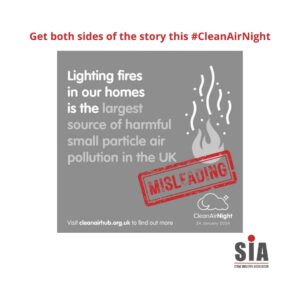
Clean Air Night Campaign Claim number 1 – “Lighting fires in our homes is the largest source of harmful small particle air pollution in the UK”.
The facts – This Clean Air Night Campaign claim relies on the grouping of ALL types of fires, including bonfires and firepits (which just happen to be OUTSIDE), using ALL types of solid fuels at home (not IN the home as the claim suggests)
More facts – Data from the National Atmospheric Emissions Inventory (NAEI) shows us that burning dry wood on an Ecodesign compliant stove, accounted for less than 0.1% of TOTAL UK PM2.5 emissions in 2021.
The verdict on the Clean Air Night Campaign claim – Misleading at best, False at worst!!
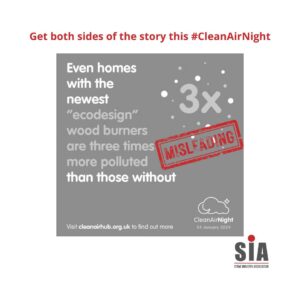
Clean Air Night Campaign Claim number 2 – “Even homes with the newest “ecodesign” wood burners are three times more polluted than those without”.
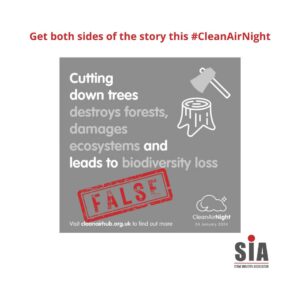
Clean Air Night Campaign Claim number 3 – “Cutting down trees destroys forests, damages ecosystems and leads to biodiversity loss”
The facts – Honestly another unfounded claim from the Clean Air Night Campaign. Wood fuel is a key component of the woodland management cycle and the economies attached to it. Using wood as fuel also plays a vital role in maintaining woodland diversity, health, and resilience. Locally sourced wood fuel helps support small businesses and reduces the carbon footprint of fuel transport.
The verdict on the Clean Air Night Campaign claim – FALSE.
To get an educated opinion, why not read the article the Stove Industry Alliance have put together, with studies done by various independent organisations, and remember, you can always call us with any questions you might have about the safety of wood burning stoves and the future of wood burning.
To read the article, click here.